
When I think back now as an adult on how much the Tasmanian wilderness shaped my childhood, I feel a kind of loneliness, as if I’ve lost an old friend.
images Cooper family archives
The Tasmanian wilderness stirs a deep sense of nostalgia within me. Simple things like waking up with my skin warmed by sunlight filtered through the blinds, or hearing a magpie’s song, bring me back to another time. On camping trips, mornings would begin like this: waking up warm from the sun peeking through the fly-screen door of the tent, the bustling sounds of my parents making breakfast mingling with those from the bush outside. I was younger then, and the bush had been my playground. Now, when the sun finally comes out after the long Tasmanian winter months, I find myself longing for something I may never get back.
Summertime is for memories: for sights, sounds and smells that link me to a childhood of wilderness and adventure.
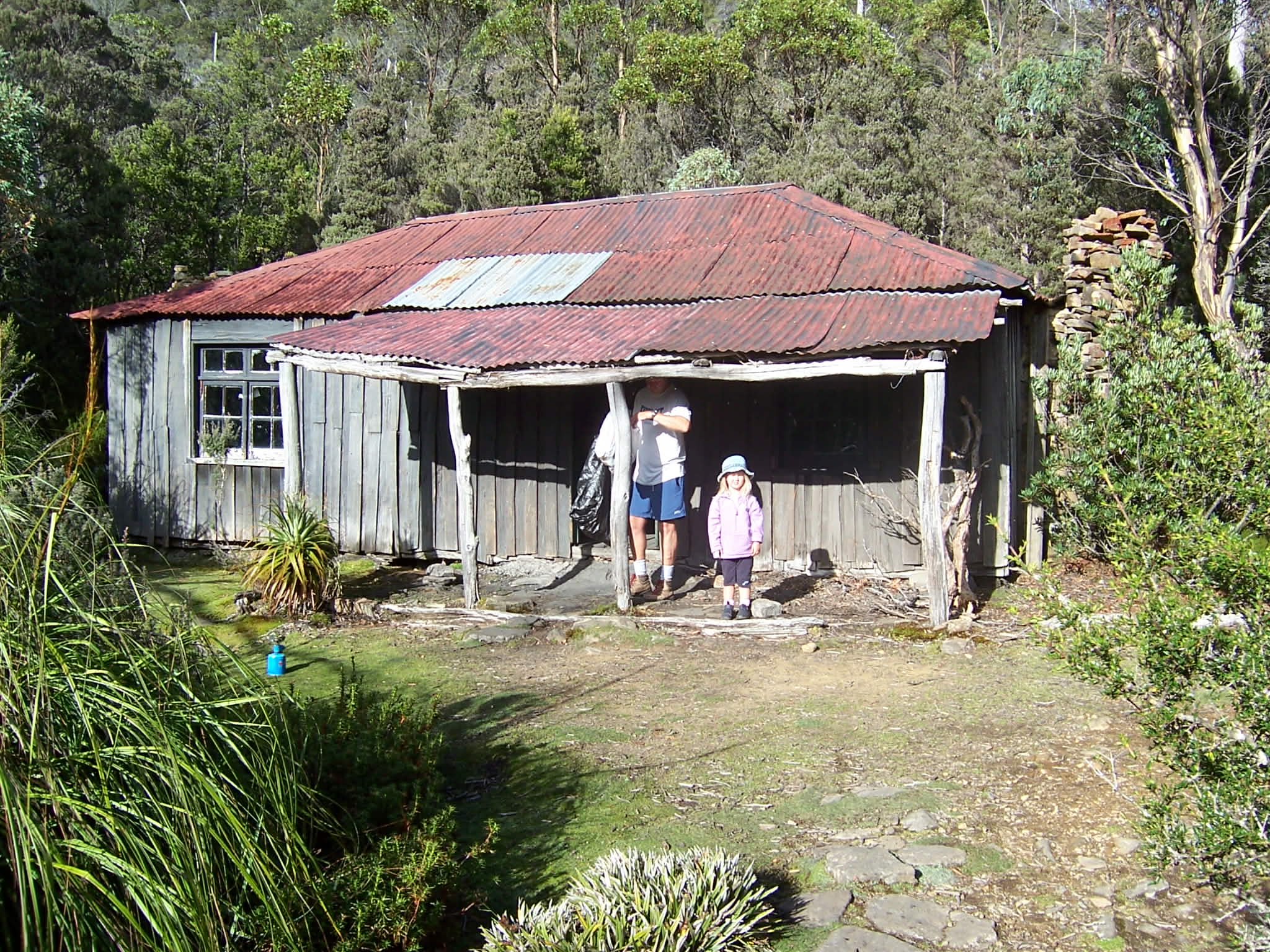
As a child, wilderness was only a word, not a concept that I could put meaning behind. It was nothing more than a big stick in my hand, or the insects I would send scuttering after lifting up their rock houses. It was an idea too big for my small mind to comprehend, yet I understood the world around me had much to offer in terms of adventure. It was all thanks to my mum and dad, who took my older brother and me on camping trips across the state. We would load up the car, Smiley the border collie in the back and Kelly, the precious toy poodle, nursed on someone’s lap. The east coast was our most frequent destination, often more than a two-hour drive filled with rounds of I spy and dad’s music: Neil Young, Coldplay and Dire Straits.
One of the earliest places I can remember is Ansons Bay, a coastal town about 40 kilometres north of St Helens. We had a family shack. It was nothing fancy, a slightly weathered building my mum’s relatives had built decades earlier. It had a particular smell – one I can’t quite recall, but I remember knowing it felt comforting.
The beach was a short walk away, filled with long tresses of rubbery seaweed, draped across the damp sand. I can’t separate my memories of the shack into individual trips – they simply blur into one nostalgic collage: collecting snails and grasshoppers from the garden, floundering with my dad after dark and always returning home empty-handed, and walking as far as we could along the shore. We would ride our bikes down the quiet roads, looking at the shacks, each with their uniqueness. Sometimes, we would kayak across the channel and trek through the bush to the sand dunes nearby. We would use an empty feed bag as a sled, but more often we simply rolled down the billowing mounds, sand creeping into our eyes.
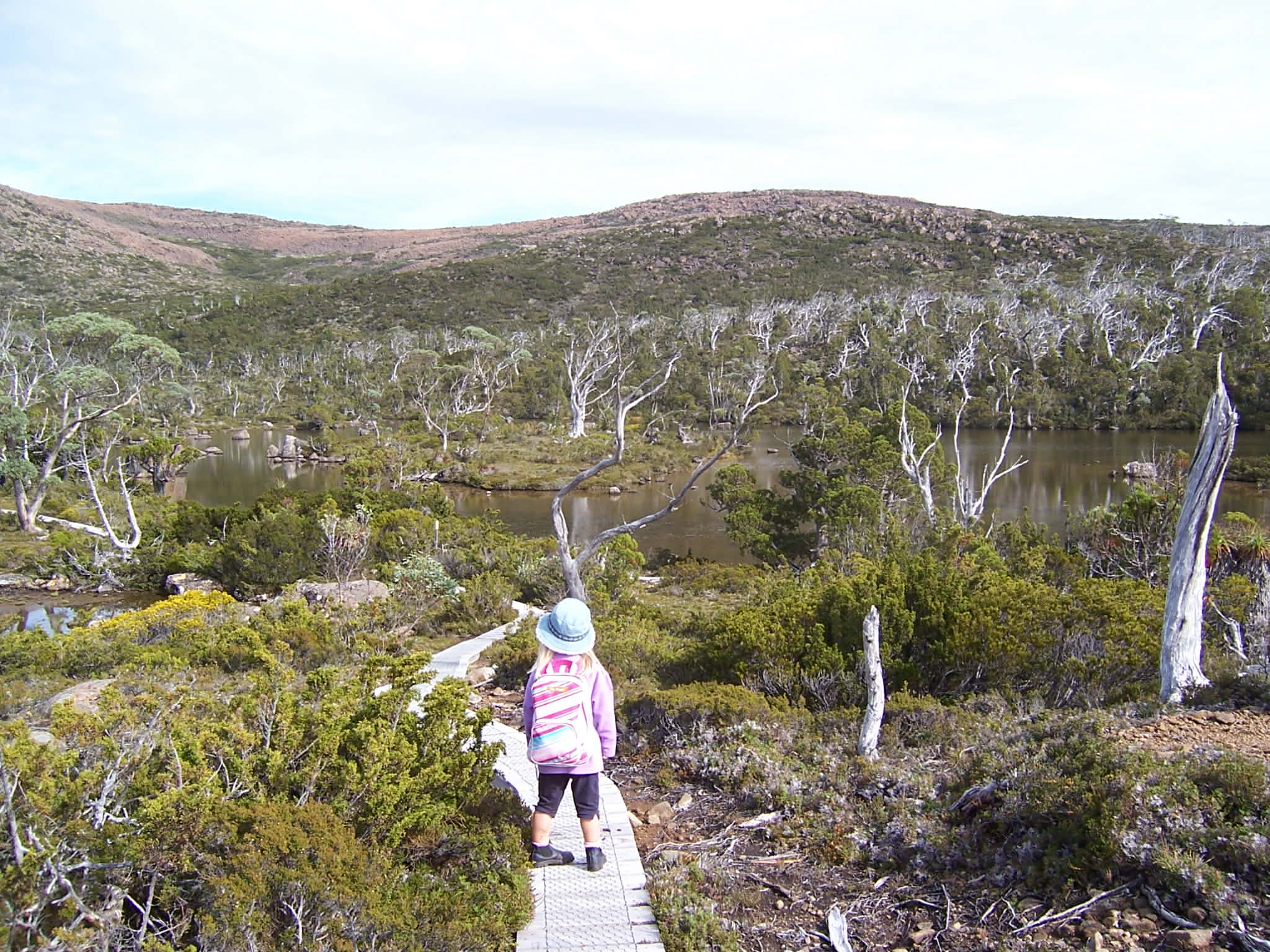
Eventually, we stopped going to the shack, long enough ago I don’t remember the last time I was there. The adventures didn’t stop – it only meant we had more time to go camping, to be in the true wilderness.
We had visited many different campsites that now blur together in my memory, but after a trip to Dora Point, it became our go-to spot. The main draw was the beach with its bone-white sand, soft and warm on hot summer days. The water was as clear as glass, the deepest cerulean, yet still biting cold. Large mounds of rock stood at one end of the beach, covered in patches of bright orange lichen, the Bay of Fires trademark. My brother and I would climb them, seeing who could go the fastest or the highest, on our own natural jungle gym.
My mum would make pancakes from those shaker bottles you can get from the supermarket, and I’d cover them in strawberries and maple syrup. A juice box on the side, we’d eat, the start of many slow mornings. Our days were filled with crossword puzzles, going down to the beach and burying my brother in sand, and taking the dogs for a run along the shore. I would use the nature around me as a setting for My Little Pony dolls, endlessly more exciting than my own bedroom.
However, Dora Point did not stay our serene secret for long as many began to discover its charm, particularly those of the younger generation who like to play their music very loud. So, we needed a new spot.
Our next discovery was Lake Parangana, nestled near Cradle Mountain. If we were lucky, we would get a spot right by the water, looking out over the dark, glassy stillness. The lake was enchanting, a valley of water nestled amongst tree-filled hills. Kayaking down it, it felt as if I were in the middle of nowhere, protected in this magical space. Out on the water, it was quiet, so quiet it felt eerie, like time had stopped. I would lie back, giving my arms a rest from paddling as I trailed my fingers through the cool water, dark from tannin. We spent a lot of time in the water and adventuring around the grounds, as by that point I was too old for toys. The campsite had no phone reception – much to 12-year-old Lily’s disappointment – yet, looking back I’m thankful for the lack of digital distractions this allowed, giving me a chance to experience camping with childlike wonder even as I grew older.
I have solid memories of Lake Parangana, more than mere fragments and smells. I remember we stayed there one New Year’s Eve, and my brother and I made contraptions and accessories out of glow sticks. We’d gather around the fire: dancing in the darkness with our glowing necklaces and bracelets, singing songs – Country Roads, my mum’s favourite – and counting down the minutes until the new year arrived.
A less magical memory is one unfortunate night it began to rain. It was a downpour that would not let up, and to make matters worse we had camped not far from the water’s edge. I was sleeping alongside my cousin in a tent I had pitched in a slight divot in the ground. We woke to water soaking our socks, our sleeping bags drenched and – the true travesty – our library books ruined.
That aside, Lake Parangana remains a place of quiet wonder, completely disconnected from the outside world, and immersive in its beauty.
. . .
As I got older, our trips became less frequent. My brother had moved out and rarely came along, and I started to lose interest too, choosing friends, school and the worries of teenage life over a weekend away. I would still go with my parents occasionally, but I’d often find myself bored, a clear sign that my sense of adventure had vanished.
I hadn’t stopped to wonder where it went, or when. It has been a few years now since the last time I went camping, and I find myself yearning for those trips, when I was a little girl.
As a child I didn’t quite grasp the beauty of my surroundings, only that my world felt vast and there were so many places to explore. When I think back now as an adult on how much the Tasmanian wilderness shaped my childhood, I feel a kind of loneliness, as if I’ve lost an old friend. It had been my playground, an endless vessel for adventure, and most of all allowed me to create so many memories I will cherish forever. As I grew up, that magic faded away as did my childlike imagination.
But I understand now that the wilderness hasn’t changed. I have. The wilderness is still out there, waiting in the quiet mornings and the first warm touch of summer sunlight, in the distant call of a magpie or droning cry of a currawong. The magic I was searching for was never gone. I just needed to remember where to look.